

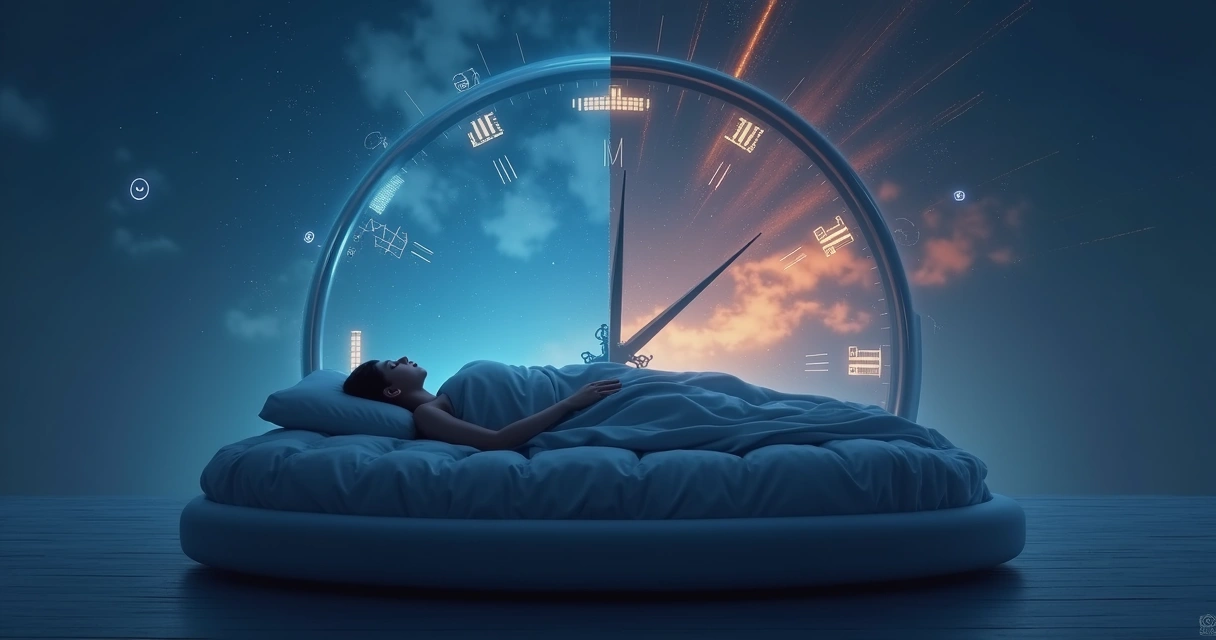
We often notice sleep only when it fails us. A restless night, a short temper, a foggy morning. Then the pattern becomes hard to ignore. How we sleep shapes how we feel, how we react, and how clearly we think.
Sleep is not a blank state. It moves in cycles, each one with its own task in restoring the brain and body. When those cycles are cut short or become irregular, emotional balance tends to weaken. Patience gets thinner. Small problems feel larger. Thoughts lose sharpness.
Sleep cycles help regulate emotion by giving the brain repeated periods of restoration, memory processing, and nervous system reset.
In our view, this matters far beyond tiredness. Good sleep supports self-control, reflection, and better choices. Poor sleep often pushes us toward reactivity. We say something too fast. We assume the worst. We struggle to separate a passing feeling from a real fact.
What sleep cycles actually do
A full night of sleep is made of several cycles, each lasting about 90 minutes. These cycles move through lighter sleep, deeper sleep, and REM sleep. They repeat across the night, but not in the same exact proportion every time.
Deep sleep tends to support physical recovery and nervous system settling. REM sleep is linked to memory, learning, and emotional processing. Lighter stages help us move between them. When the sequence is allowed to unfold, the brain has time to sort signals, reduce overload, and recover from the day.
Sleep restores perspective.
We have all seen the difference. A person goes to bed overwhelmed, then wakes up able to think. The problem may still be there, but the inner intensity has changed. That is one of sleep’s quiet functions. It does not erase reality, but it often softens distortion.
This is why sleeping for enough hours is only part of the picture. Fragmented sleep can leave someone in bed for a long time without gaining the full emotional benefit of complete cycles.
Why emotions change when sleep breaks down
When sleep becomes irregular, emotional regulation often becomes less stable. The brain has a harder time filtering stress and interpreting social cues. A neutral message may feel cold. A delay may feel like rejection. Frustration rises faster.
A meta-analysis on sleep loss and mood found that lack of sleep had a moderate effect on negative mood and a large harmful effect on positive mood. This helps explain why poor sleep does not only make us feel bad. It can also reduce our ability to feel good, hopeful, and open.
Sleep loss does not just increase irritation. It can also reduce joy, warmth, and emotional flexibility.
That second effect is often missed. We may focus on anger or sadness, but there is also a shrinking of emotional range. We become less able to access calm, humor, or trust. That narrowing has a direct effect on relationships and decision-making.
Sleep, dreaming, and emotional sorting
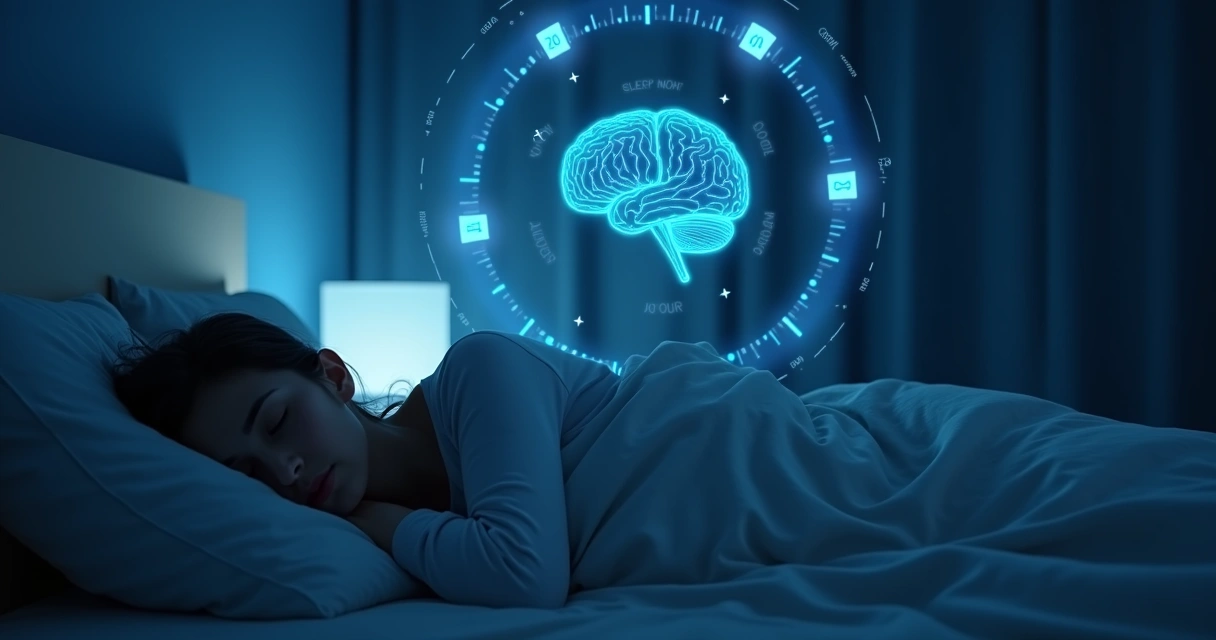
Emotional clarity is not built only in waking hours. Part of it is shaped while we sleep. Dreaming, especially during REM sleep, appears to play a role in how emotional material is processed and integrated.
Research on sleep quality and emotional patterns across waking and dreaming suggests that poor sleep quality disrupts the usual pattern in which waking emotions tend to be more positive and sleep emotions more negative. Instead, emotional tone becomes more evenly spread across both states. In simple terms, sleep disturbance can blur the normal emotional sorting process.
We find this idea very practical. If the mind does not process emotional weight well at night, the next day may begin with unfinished tension. There is less internal space. Less distance from the feeling. Less clarity about what is ours and what is only the residue of exhaustion.
This can make self-observation harder. We may think we are seeing reality clearly when we are actually seeing it through the filter of interrupted restoration.
When sleep and emotion start feeding each other
There is another layer to this. Poor sleep affects emotion, but emotion also affects sleep. Stress, anger, worry, and disappointment can carry into the night. Then the next day begins with less stability, which makes the next night worse.
A study on insomnia and daily emotional shifts found that over five days, people with insomnia showed both more sleep difficulties and more emotional difficulties, with days of higher negative emotion linked to greater changes in sleep. This shows a loop, not a one-way path.
We have seen how common this loop is in ordinary life:
A tense conversation leads to restless sleep.
Restless sleep leads to low patience the next day.
Low patience creates more friction and inner noise.
That noise returns to bed at night.
Once this cycle forms, people often blame only the mind or only the schedule. Usually, both are involved. Sleep and emotion are in constant exchange.
Hormonal shifts and sleep-related mood changes
Sleep is also affected by biological phases. This is one reason mood changes can feel stronger at certain times, even when someone is doing many things right.
A study on sleep changes during the perimenstrual phase reported that total wake time increased by about 8 to 16 minutes and that this was linked to higher anger and lower positive emotion. Small changes in sleep continuity can have a visible emotional effect.
Even modest increases in nighttime wakefulness can shape next-day mood and reduce emotional steadiness.
This is a helpful reminder. Not every emotional shift is a moral failure or a lack of discipline. Sometimes the body is under a temporary strain, and sleep becomes lighter or more broken. Awareness helps us respond with more accuracy and less self-judgment.

How better sleep supports clearer thinking
Clarity depends on more than intelligence. It also depends on state. When we are well slept, it is easier to pause, compare options, and notice emotional bias before acting on it. We can hold more than one perspective at once.
When sleep is poor, thinking often becomes rigid. We may go to extremes. We may confuse urgency with truth. We may lose the ability to reflect before reacting.
In our experience, healthier sleep cycles tend to support:
More stable mood across the day
Better frustration tolerance
Clearer attention and memory
Less impulsive emotional response
More balanced social interpretation
None of this means sleep solves every emotional struggle. It does mean that without it, inner work becomes harder. We can still make wise choices when tired, but the cost is higher.
Conclusion
Sleep cycles are part of emotional maturity because they shape the state from which we meet life. When sleep is regular and complete, the mind often becomes less reactive and more lucid. We feel more able to name what we feel, tolerate discomfort, and respond with intention.
That is why caring for sleep is not a minor wellness habit. It is a direct investment in emotional regulation and mental clarity. If we want a steadier inner life, we need to respect the rhythm that restores it. A calmer night often becomes a wiser day.
Frequently asked questions
What are sleep cycles?
Sleep cycles are repeating phases of sleep that move through light sleep, deep sleep, and REM sleep. Each cycle lasts about 90 minutes, and most people go through several cycles each night.
How do sleep cycles affect emotions?
Sleep cycles affect emotions by helping the brain reset stress, process emotional experiences, and restore balance. When cycles are interrupted, people often feel more irritable, sensitive, or emotionally reactive.
Can better sleep improve mental clarity?
Yes. Better sleep can improve focus, judgment, memory, and emotional distance from stressful events. A rested mind usually thinks with more calm and less distortion.
How much sleep is good for mood?
For most adults, about seven to nine hours of sleep supports a healthier mood. The exact number varies by person, but regular and uninterrupted sleep often matters as much as total time.
What are tips for healthier sleep cycles?
Helpful steps include keeping a regular sleep schedule, reducing bright light late at night, limiting caffeine too late in the day, creating a dark and quiet sleep space, and giving the mind time to slow down before bed.