
We often think learning depends on good teachers, good books, or enough time. These things help. Still, they are not the whole story. A person can sit through courses for years and change very little. Another person can learn from one mistake and grow fast. The difference is often self-evaluation.
Self-evaluation is the skill of judging our own learning with honesty, clarity, and purpose.
When we build this skill, we stop waiting for outside correction to guide every step. We begin to notice what we understand, where we struggle, and what needs to change. This is what gives lifelong learning real depth. It turns learning from a passive act into a conscious practice.
We have seen this in simple moments. A person finishes a workshop and says, “That was great,” but cannot explain what they learned. Another person says, “I understood the idea, but I could not apply it under pressure.” The second response is more useful. It opens the door to growth.
What self-evaluation really means
Self-evaluation is not self-criticism. It is not harsh judgment, and it is not endless doubt. It is a disciplined way of asking, “What happened here, and what does it show me?”
In learning, this means we look at both results and process. We ask whether we met a goal, but we also ask how we studied, how we reacted, and where our attention went.
Awareness changes learning.
A good self-evaluation usually includes a few elements:
A clear goal, so we know what we are measuring.
Evidence, such as notes, results, feedback, or behavior.
Reflection on what worked and what did not.
A decision about the next step.
Without these parts, we often fall into vague impressions. We say we are “bad at this” or “pretty good at that,” but we do not have enough truth behind the claim to improve.
Why it supports lifelong learning
Lifelong learning asks more from us than short-term study. It asks for staying open, adapting, and updating how we think over many years. This cannot happen well if we depend only on grades, managers, or formal reviews.
Lifelong learning grows when we can correct ourselves before the world forces correction on us.
That is why self-evaluation matters so much. It keeps learning alive between courses, after promotions, during setbacks, and inside daily life. We begin to learn not only from success, but also from friction, confusion, and repetition.
A 2022 meta-analysis of 175 studies comparing self-assessment, peer assessment, and mixed approaches found a moderate positive effect for self-assessment on learning outcomes, with Hedges’ g around 0.585. This tells us something practical. When learners judge their own work with structure, learning tends to improve in a meaningful way.
This matters beyond school. Adults in work, leadership, parenting, and personal growth need the same skill. New situations rarely come with neat answer keys. We must read ourselves while we act.
How self-evaluation improves the way we learn
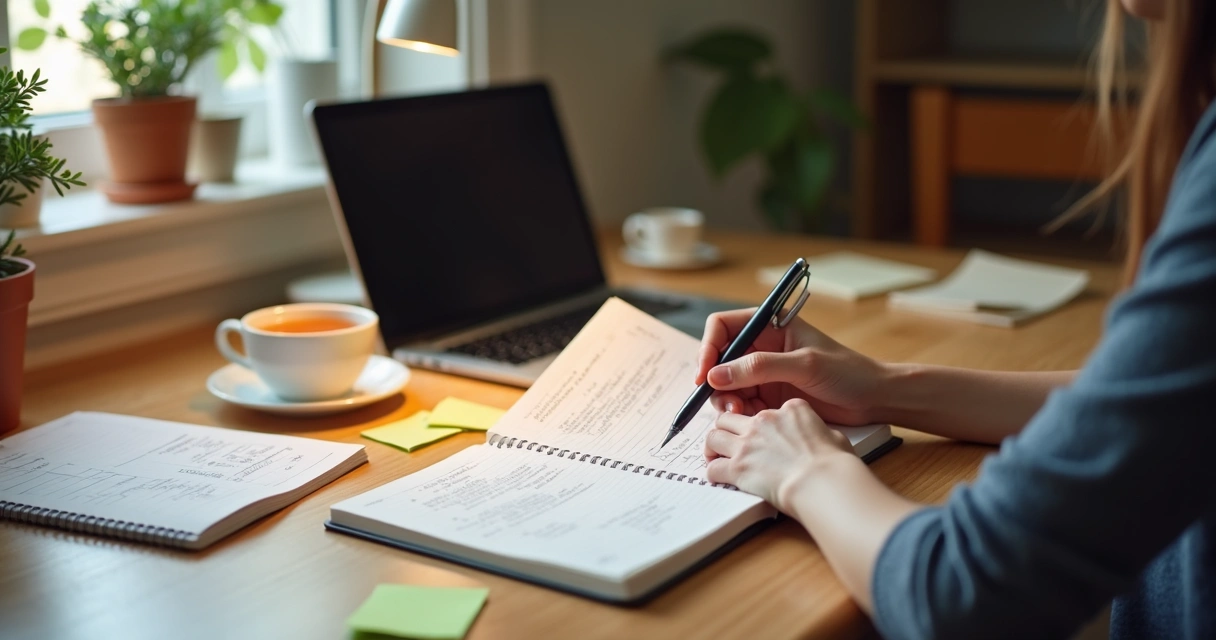
Many people think learning problems begin with lack of talent. In our experience, they often begin with lack of feedback from within. If we cannot tell when focus drops, when confusion starts, or when a habit fails, we repeat weak patterns for too long.
Self-evaluation improves learning because it sharpens our internal feedback loop. We begin to catch small signals earlier.
A meta-analysis of 36 experimental studies on self-monitoring interventions found moderate gains in both learning strategy use and academic performance. Self-monitoring is one active form of self-evaluation. It helps us notice whether we are really learning or only staying busy.
In practice, this can change several things at once:
We choose better study methods because we notice which ones lead to recall and which only feel pleasant.
We manage attention better because we start seeing where distraction enters.
We respond to mistakes with adjustment instead of denial.
We build steadier confidence because our progress becomes visible.
This last point deserves care. Real confidence does not come from praise alone. It grows when we can see our own pattern clearly and trust our ability to improve it.
The link with self-regulation and confidence
Learning across life requires more than collecting facts. We need self-regulation, which means directing our effort, attention, and behavior over time. Self-evaluation helps build that direction.
A review of 19 studies linking self-assessment with self-regulated learning and self-efficacy found positive effects across both areas, including a strong effect on self-efficacy. This makes sense to us. When we can assess ourselves fairly, we become less dependent on guesswork. We know where we stand. That reduces confusion and supports action.
Self-evaluation turns experience into usable knowledge.
We may notice this after a failed presentation, a hard conversation, or a course that did not go as planned. One person leaves with embarrassment. Another leaves with insight: “I prepared content, but not delivery. I knew the subject, but I did not regulate my anxiety.” That insight is not small. It gives shape to the next attempt.
Why adults need it too
Some people treat self-evaluation as a school skill. We think that is too narrow. Adults face shifting roles, new tools, changing teams, and personal transitions. Learning does not end when formal education ends. In many ways, it becomes harder. There is less structure, less feedback, and often more pressure.
A 2023 study on preparedness for lifelong learning and self-reflection found that even learners who already showed solid lifelong-learning traits still had room to grow in self-reflection. That point stands out. Even capable learners benefit from deeper self-evaluation.
We see this often. A skilled adult can be competent for years and still avoid asking honest questions about habits, blind spots, or emotional reactions. Then change arrives. A new role. A conflict. A setback. Suddenly old ways no longer work.
Growth begins where excuses end.
Self-evaluation helps adults stay teachable. It protects us from becoming experienced but rigid.

How we can practice it without making it heavy
Self-evaluation does not need to be formal every time. It can be simple, as long as it is honest. The goal is not to judge every move. The goal is to learn from it.
We suggest a short rhythm that can fit into daily life:
Name the goal. What were we trying to learn or do?
Check the evidence. What happened, not what we hoped happened?
Spot the gap. What is missing between aim and result?
Choose one adjustment. What will we change next time?
This works after study sessions, projects, meetings, and personal decisions. Short reflection, done often, is stronger than rare reflection done in a rush.
We should also watch for two common traps:
Being too soft, where we excuse patterns and learn very little.
Being too harsh, where shame blocks curiosity and honest review.
Being too vague, where we notice feelings but not facts.
The best self-evaluation is steady, specific, and humane.
Conclusion
Self-evaluation matters for lifelong learning because it helps us stay awake to our own growth. It teaches us to read our habits, measure our effort, and respond with maturity. Without it, learning stays dependent on outside structure. With it, learning becomes part of how we live.
We do not become better learners by knowing more words about growth. We become better learners by seeing ourselves more clearly and acting on what we see. That is the real shift. Quiet, honest, and lasting.
Frequently asked questions
What is self-evaluation in learning?
Self-evaluation in learning is the process of reviewing our own progress, methods, and results. It means checking what we understood, where we struggled, and what we should change next. It is a structured way to learn from our own performance.
Why are self-evaluation skills important?
These skills matter because they help us become more aware, more responsible, and more adaptive in how we learn. When we can assess ourselves well, we improve our study choices, correct mistakes earlier, and build stronger self-regulation over time.
How can I improve self-evaluation skills?
We can improve self-evaluation by setting clear goals, reviewing evidence, asking honest questions, and making one specific adjustment after each learning effort. Journaling, checklists, and short reflection after tasks can help make the habit steady.
What are examples of self-evaluation techniques?
Common techniques include reflection journals, progress checklists, rating confidence before and after a task, error reviews, and short post-task questions such as: What worked? What failed? What will I do differently? These methods help turn experience into clearer insight.
Is self-evaluation useful for adults?
Yes. Adults often learn in less structured settings, such as work, relationships, and personal change. Self-evaluation helps them adjust behavior, notice blind spots, and keep growing through new roles and demands. For adults, self-evaluation supports learning that lasts beyond formal education.