

Remote work is no longer just an exception or a perk—it's part of everyday reality for millions. As work-from-home and hybrid models have matured, so has our understanding of what it truly means to develop as professionals and human beings in this new era. In 2026, we see self-development taking on new shapes, led by fresh methods and tools that respond to the unique challenges and opportunities faced by remote workers.
The landscape of remote work in 2026
As of 2025, nearly 22% of U.S. workers spent at least part of their time working from home, according to recent data. The trend is gently shifting towards hybrid arrangements, but the remote workforce is here to stay. Organizations expect more from workers who may never set foot in a traditional office for months. That means self-management, adaptability, and growth have become critical.
Remote work brings freedom, but also its own set of hurdles. The blurred lines between work and life, fewer social cues, and high reliance on digital tools push us to rethink how we grow, connect, and care for our mental and emotional well-being.
Self-development in remote work is about conscious evolution, not just skill upgrades.
Core challenges remote workers face
In our research, three main obstacles shape the self-development journey for remote professionals:
Isolation and loss of workplace connections
Self-discipline and motivation
Lack of clear feedback or career path
The absence of face-to-face supervision and spontaneous peer feedback can make self-assessment tougher. Creating your own structure and support systems becomes essential.
New methods for self-development in 2026
We have seen innovative approaches emerge over the past year that help remote workers not only keep up, but grow. Here are some new methods shaping self-development this year.
1. Holistic digital well-being routines
Wellness is no longer just about physical health or setting a timer to stretch. In 2026, digital wellness programs offer integrated routines for mental clarity, emotional balance, and purpose.
Remote workers combine guided micro-breaks with breathwork, regular virtual emotional check-ins, and AI-powered mindfulness sessions tailored to their work rhythms. These routines help regulate mood and stress, reducing the risk of burnout in isolated settings.
2. Immersive learning experiences
Instead of static online videos or impersonal webinars, experiential learning has gained ground. Virtual reality rooms, role-play scenarios, and real-time feedback systems allow us to practice both hard and soft skills in simulated but emotionally rich environments.
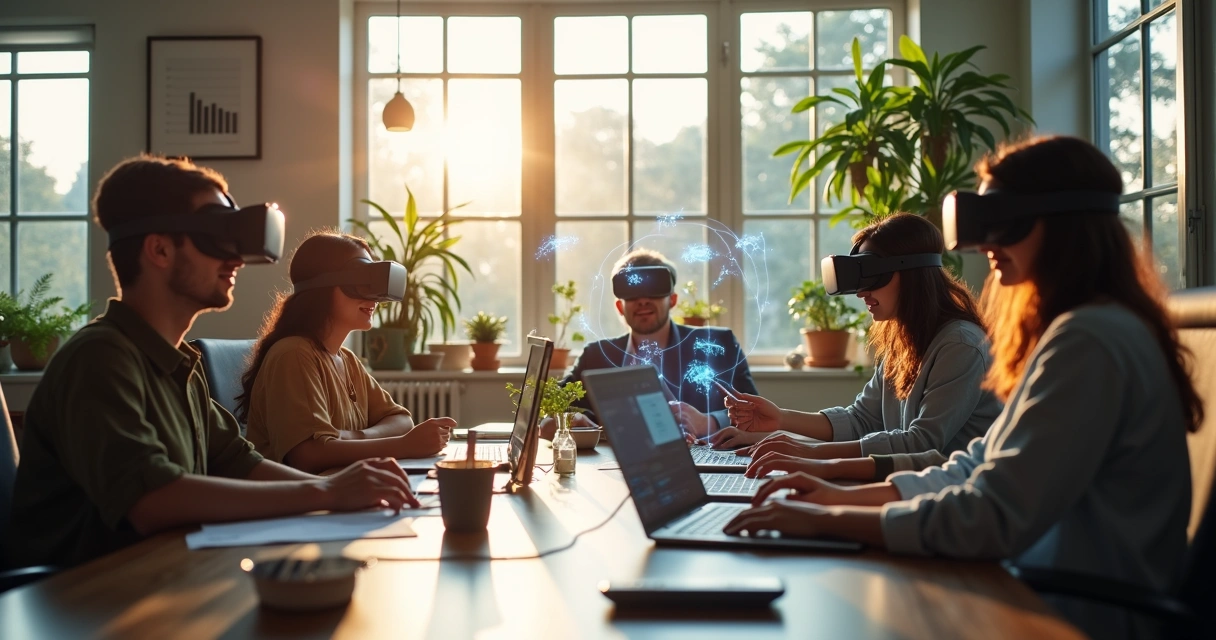
This technology is especially useful for leadership, communication skills, and conflict resolution, making learning much more engaging.
3. Peer-driven self-development circles
Where traditional mentorship may lag, remote workers turn to peer development groups. These are small circles meeting regularly online, focused on honest feedback, shared learning goals, and accountability.
Peer-driven groups help us stay self-aware, challenge old habits, and develop a shared language around growth. This makes the process more dynamic and less dependent on top-down instructions.
4. Digital micro-coaching and personalized feedback
In our experience, access to micro-coaching sessions—short, focused, and regular—offers sharper insights compared to one-off annual reviews. Digital platforms pair us with coaches or AI guidance that keeps our development on track week by week, not just once a year.
Immediate, bite-sized feedback makes learning natural and self-driven.
5. Self-reflection technology
New apps now record work patterns, communication styles, and emotional mood shifts throughout the week. Insights are provided in easy-to-understand visual dashboards. Seeing patterns emerge in real time helps us adjust not only our routines but our mindset.
Creative self-reflection is used as an active tool for daily growth, not just an end-of-year task.
Building your self-development plan: Practical steps
With so many options, how do we choose the best path? We believe that building your self-development plan as a remote worker in 2026 involves careful design. Here is our step-by-step guide:
-
Define your growth goals clearly. List out not just technical skills, but areas like emotional self-regulation, meaningful collaboration, and leadership.
-
Assess current strengths and gaps through self-reflection tools and trusted peers. Try personality and value assessments to get a sense of your unique potential.
-
Choose 2-3 new self-development methods that fit your needs. Mix digital tools, peer circles, and experiential learning for a balanced approach.
-
Schedule regular check-ins with yourself or a group. Consistency in reflection and feedback is key for change to take root.
-
Adjust as needed. Revisit your goals and swap methods if results plateau.
As we move through 2026, we see that flexibility and self-leadership make all the difference. A sense of direction, paired with experimentation, produces powerful results.

Conscious self-development: Beyond skill acquisition
Remote work can lead us to focus only on performance. But we believe in a deeper process that integrates consciousness, emotion, and ethical action. In every step of self-development, it matters not only what we learn, but how we change as people.
True growth means aligning our work with our values and the impact we have on others, both digitally and in real life. This perspective shifts self-development from a chore or task to an ongoing journey—one that builds internal coherence, presence, and responsible action.
Conclusion
In 2026, remote workers have a growing toolbox for self-development, shaped by technology but grounded in human connection and responsibility. Whether you rely on digital wellness routines, immersive learning, or peer support, the goal remains clear: conscious growth. By creating our own pathways, we ensure remote work is not just about where we sit, but about who we become in the process.
Frequently asked questions
What is self-development for remote workers?
Self-development for remote workers means taking deliberate steps to grow in skills, habits, and mindset while working outside traditional office spaces. It includes building self-awareness, emotional stability, strong communication, and finding ways to learn and connect regardless of location.
How can I improve skills remotely?
You can improve skills remotely by setting clear learning goals, joining online courses, engaging in virtual peer circles, using self-reflection tools, and practicing new abilities through daily tasks. Regular check-ins and seeking feedback from colleagues or coaches also help you keep growing.
What are new self-development methods?
New self-development methods for 2026 include immersive virtual reality training, digital micro-coaching, holistic wellness routines, real-time self-reflection technology, and structured peer learning groups. These approaches focus on both professional and personal growth.
Is online coaching worth it in 2026?
For many remote workers, online coaching can be highly valuable. It offers flexible, personalized support and regular feedback. New micro-coaching models let you target specific goals, making it easy to adapt and adjust your growth path over time.
Where to find top self-development courses?
Top self-development courses can be found on specialized educational platforms, through university continuing education programs, and through employer-sponsored resources. Look for programs that offer interactive learning, personalized feedback, and community features to maximize your development experience.