


Every day, we express ideas, feelings, and intentions with words. Yet, few of us stop to question how the language we use influences the way we see the world. Our words are more than tools—they shape our sense of reality, mold our relationships, and guide our choices. In our experience, the effect of language on the mind is not only subtle. It is profound, powerful, and ongoing.
What does it mean to say language shapes worldview?
To say that language shapes our worldview is not just a theoretical idea. Think of language as a pair of glasses. When we put on these glasses, we do not simply see through them; we see because of them. Language frames what stands out to us, what feels possible, and even what seems real or valuable.
Words are never neutral; they guide our attention, prompt emotions, and set boundaries for what we notice.
The way we talk about time, relationships, or even numbers can nudge us toward certain ways of understanding and away from others. What we name, we can think about. What we do not name, we often overlook.
With every sentence, we draw lines around the possible.
Examples from everyday life
Imagine two people facing the same situation, such as waiting for a bus in the rain. One might say, "This weather ruins everything." The other says, "The earth must be thirsty." Their language reflects not just mood, but a whole way of relating to the environment. By voicing either complaint or appreciation, each person builds a different story about the same event.
- Some languages have words for joy in another’s happiness, while others do not. This could affect how easy it is to recognize and value that emotion.
- In languages where time is thought of as coming from behind rather than ahead, people might picture their place in history differently.
- Languages that use separate forms of "you" for elders can encourage respect, compared to those that do not mark this difference.
From our perspective, these are not minor differences. They affect how communities respond to conflict, support each other, and make collective decisions.
Language and thought: a two-way street
Does language only shape us, or do we also shape language? The simple answer is both. When we grow up hearing certain words and phrases, we adopt those patterns without much reflection. As adults, however, we get to choose. We might create new words, reframe old ones, or borrow expressions from elsewhere to express fresh ideas.
Language can be a cage or a key—depending on whether we use it with awareness.
Every time we describe an experience, solve a problem, or share a feeling, we are not simply sharing data. We are shaping reality for ourselves and anyone listening to us.
How does language influence perception and emotion?
We have seen how the specific words we use for emotions can expand or narrow what we allow ourselves to feel. For instance, if our vocabulary for sadness only allows for "bad" and "good" days, how do we process the subtle shades in between? When we learn terms like “bittersweet” or “wistful," we gain new ways to identify what we are feeling. As a result, our emotional self-understanding grows.
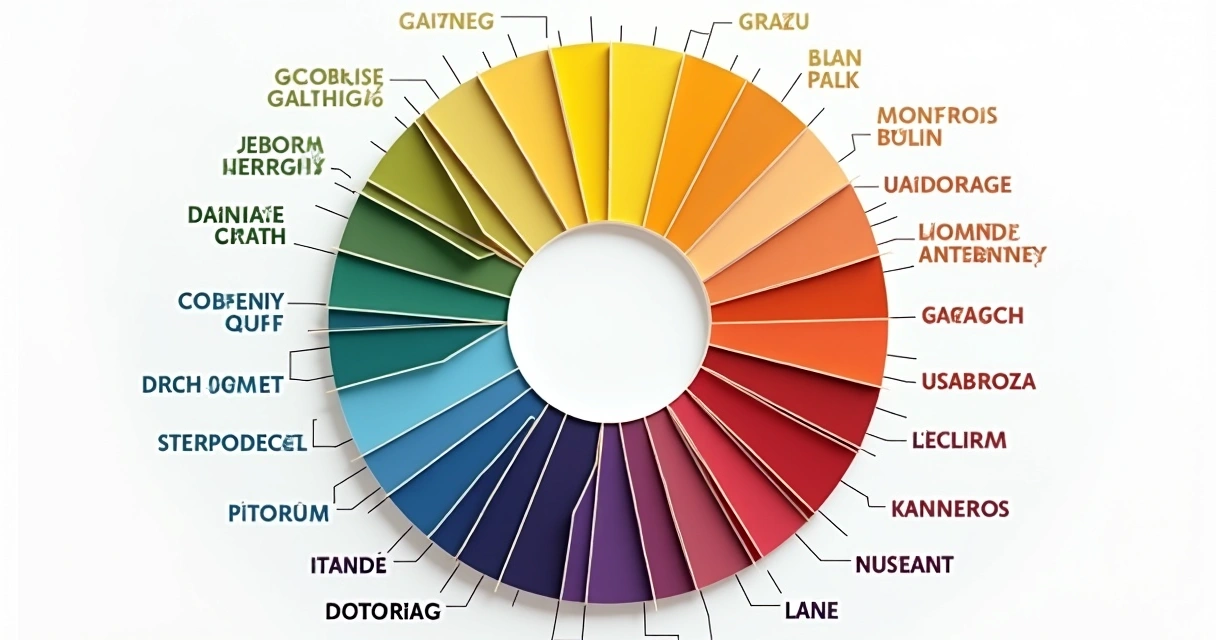
Consider how language affects visual perception. For example, cultures have different numbers of words for "blue." Where one group uses a single word, another may use several. Studies suggest this difference also shapes how quickly or clearly people can distinguish shades. Sometimes, we realize we can see what we can name.
Language also cues our moral choices. The way we label actions—such as using "mistake" versus "betrayal"—influences our responses. We may forgive more easily when a word signals a slip, or judge harshly when it signals intent. In our opinion, small shifts in language can lead to large shifts in relationship and responsibility.
Language and culture: a deep connection
We cannot separate language from culture. Words encode shared stories, traditions, and priorities. They set the stage for how we greet one another, how we talk about the future, and how we remember the past.
- Some languages use only present tense, which can keep focus on the immediate moment.
- Others have rich vocabulary for describing nature, which fosters closeness to the land.
- Certain languages do not have separate words for "mind" and "heart," seeing them as one.
When we change our language to match someone else—whether learning their greetings or adopting their idioms—we temporarily step into their world. We get a new glimpse of what they notice, value, and hope for. This is one reason why language learning can feel like a journey far beyond grammar and vocabulary.
Why does all this truly matter?
We believe that by becoming more conscious of how we use language, we make better choices about what realities we build. Language is never just about communication—it is about co-creation. The way we speak to others, the stories we tell ourselves, and the names we use for our experiences can expand or limit what we become.
When we shape language, we shape possibility.

We have observed that individuals and groups who pay attention to their words can change how they work, resolve differences, and build meaning together. In our opinion, it all starts with listening to the words we choose, the ones we avoid, and the new ones we might need.
Can we change our worldview by changing language?
Yes, and it happens often. When we shift the terms we use, new ways of thinking and acting come into view. For example:
- Swapping negative self-talk for compassionate words can change self-image.
- Using inclusive language can foster a greater sense of belonging in a group.
- Choosing precise words for feelings can lead to better emotional understanding.
- Describing challenges as “learning experiences” rather than “failures” can support resilience.
Every word is an invitation—or a limit. By being thoughtful, we give ourselves and others the chance to see more, connect deeper, and act wiser.
Conclusion
Language is not simply a code for transferring information. It is the frame, the vision, and the guiding force for human meaning-making. Our words hold the power to shape how we see ourselves, others, and the world. In our view, the challenge and opportunity is clear: By becoming more aware and intentional with our language, we have the chance to expand our worldview, deepen our relationships, and shape reality in ways that matter.
Frequently asked questions
What is worldview in simple terms?
Worldview means the general way a person sees and understands the world, including what they think is true, good, or possible. It is shaped by experiences, beliefs, and language.
How does language affect our thinking?
Language organizes what we notice, how we think about cause and effect, and even the details we remember. Words give us labels for feelings, actions, and things, helping our minds group and understand everything more clearly.
Can learning languages change beliefs?
Learning new languages can open our minds to new ideas and ways of seeing things. Each language has its own stories, rules, and cultural habits, so learning them can expand our own thinking and sometimes even change our beliefs.
Why does language matter for worldview?
The words we use and hear can include or exclude some experiences, ideas, or emotions, shaping what we pay attention to and how we make sense of the world. Because of this, language becomes a tool for shaping both individual and shared reality.
How can I notice language shaping views?
You can start by paying attention to the words people use for emotions, events, or groups. Notice when changing a word changes your feeling, or when someone else’s expression helps you see something in a new light. You can also listen to how different cultures use language to name values or problems.