

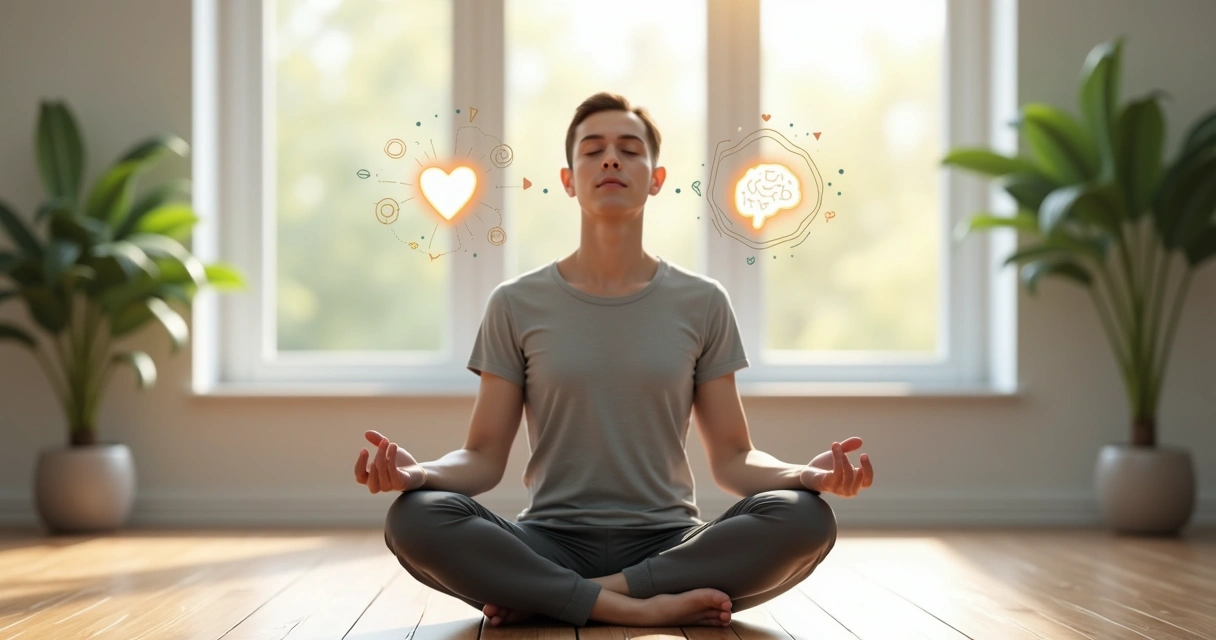
We all know what it feels like when emotions take the driver's seat. Sometimes, a small remark spirals into anxiety or an angry conversation leaves us rattled for hours. But there is a process that offers hope and real change—emotional self-regulation. In our perspective, self-regulation is not about shutting feelings down. It's about learning to respond, not just react. Here, we want to bring clarity to every step of emotional self-regulation, how it works, why it matters, and how anyone can get better at it.
Understanding emotional self-regulation
Emotional self-regulation means noticing our emotions, making sense of what we feel, and then choosing our behavior. When we self-regulate, we don't let emotions control our actions. Instead, we recognize anger, fear, or sadness as signals—tools to understand ourselves and the world. Positive self-regulation can transform relationships, health, and even career paths.
For many, the challenge begins with awareness. The moment we are able to pause and name what we're feeling, we create a space for choice. It's almost as if we shift from automatic pilot to conscious participation in our own lives.
When we pause, we gain power over our reactions.
Why emotional self-regulation is so valuable
Imagine a workplace dispute, a tense family discussion, or overwhelming stress. The difference between impulsively speaking and taking a breath can affect long-term outcomes. Emotional self-regulation allows for better communication, deeper empathy, and fewer regrets. It also acts as a buffer against stress-related health issues, helping us make balanced decisions when it counts.
There is strong evidence to support these ideas. For example, research from the National Library of Medicine revealed that higher emotional self-control correlates with fewer signs of emotional dysregulation in adolescents, highlighting how crucial early skill-building can be.
How emotions work in the mind and body
Emotions aren't just thoughts floating through our minds—they show up in our bodies too. Increased heart rate, sweating palms, or tense muscles all signal emotional arousal. Recognizing these "body clues" is often the first step toward regulation.
Neuroscience explains this connection: our brains detect threats or rewards and quickly send messages to the rest of our body. This rapid response system is ancient, designed for survival. Today, though, an urgent email is not a tiger. Our challenge is to train our brains to tell the difference.

The process of self-regulation
Although experiences and triggers differ, the process for self-regulation usually involves:
- Recognizing emotional signals (physical sensations, thoughts)
- Labeling the emotion ("I feel anxious," "This is frustration")
- Accepting the feeling, without judgment
- Considering possible responses, not just acting on impulse
- Choosing actions that match our values and goals
We think that practicing these steps often leads to steadier moods and wiser choices. It doesn't make us emotionless—quite the opposite. It helps us move from being overwhelmed to being in charge.
Techniques for practicing self-regulation
There's no magic formula, but a range of techniques can help us shift from reaction to reflection:
- Deep, slow breathing: This can calm the nervous system and give the brain extra time to choose a response.
- Grounding exercises: Focusing on the senses (name five things you see or hear) brings attention back to the present.
- Cognitive reframing: Changing the story we tell ourselves. For example, from "This always happens to me" to "This is difficult, but it's temporary."
- Physical activity: Even a short walk can help shift emotional energy and change perspective.
- Journaling: Writing about what happened and what we felt can reveal patterns and bring clarity.
There are also benefits to self-reflection after emotional moments. Asking, “What did I notice in my body? What did I tell myself? What helped me regain control?” helps us improve over time.

Developing self-regulation in daily life
We believe self-regulation is strengthened through real-world practice. Here are a few stories we've witnessed:
- A student, before an exam, closing their eyes and focusing on breathing to steady nerves.
- A manager pausing before responding to a challenging email, choosing words carefully instead of reacting in frustration.
- A parent sitting quietly with a disappointed child, helping name the feeling and brainstorm helpful ways to cope.
These moments become habits over time. With attention and patience, even small daily choices add up to lasting change.
Studies found children aged 3–5 with stronger self-regulation had better health outcomes, and emotional regulation challenges can persist from childhood into adulthood. This shows how lifelong the benefits and struggles can be, encouraging us to take this practice seriously.
What can hinder emotional self-regulation?
While everyone has the capacity to strengthen self-regulation, there are obstacles such as chronic stress, sleep deprivation, or unhealed trauma. Disrupted routines, unhealthy environments, or lack of social support can also make it harder.
Change doesn't require perfection.
It's realistic to expect ups and downs. Compassion for ourselves is not a luxury, but an essential part of change. With support, time, and practice, setbacks become teaching moments rather than failures.
Developing self-regulation in different stages of life
Self-regulation evolves. In early childhood, caregivers play a guiding role—helping kids recognize and name emotions. In adolescence, peer relationships and independence challenge these growing skills. In adulthood, new responsibilities at work and home introduce fresh tests.
We see that reflection—at every age—is key. It's not just about following tips, but about understanding ourselves and striving for internal coherence. Consistent self-inquiry helps us adapt, heal, and grow. The journey looks different for everyone, but the destination is a life that feels more intentional and less reactive.
Conclusion
Emotional self-regulation is a skill set, a process, and a daily practice. It empowers us to meet challenges with clarity and respond to life with intention. By recognizing and understanding our emotions, we open the door to stronger health, better relationships, and greater freedom in how we live.
We believe everyone can get stronger at this, one thoughtful moment at a time.
Frequently asked questions
What is emotional self-regulation?
Emotional self-regulation is the ability to notice, understand, and guide our emotional responses in a way that matches our goals and values. It allows us to pause between feeling and acting, creating space to choose thoughtful behaviors instead of being controlled by impulse.
How can I improve self-regulation skills?
We suggest starting with small, consistent habits. Try naming your emotions, taking slow breaths when you feel tense, and reflecting on how certain responses affect your well-being. Over time, this awareness grows and helps you make healthier choices.
Why is emotional self-regulation important?
Self-regulation supports mental and physical health, improves communication, and promotes better decision-making. Research, such as the findings from the National Library of Medicine, links self-regulation to less emotional distress and more successful adjustment through life changes.
What are common self-regulation techniques?
Some widely used techniques include mindful breathing, grounding with your senses, writing in a journal, reframing negative thoughts, and getting regular physical activity. The key is to experiment and find what works best for your daily life.
Can kids learn emotional self-regulation?
Yes, children can learn self-regulation, and starting young brings lifelong benefits. Caregivers help by modeling calm responses, teaching words for feelings, and practicing simple coping skills like deep breathing or using calming objects. Early support strengthens resilience that continues into adulthood.