


Have you ever noticed how your mood, thoughts, and even your level of self-awareness change depending on where you are or whom you are with? Most of us have felt the difference between the calm of a quiet park and the static of a busy street, or the subtle atmosphere shift when we walk into a room full of positive energy. These changes are not just in our imagination. There is growing understanding that our environment reaches deeply into our consciousness, affecting how we feel, think, understand, and act in the world.
As we reflect on this powerful dynamic, we believe it’s time to look closely at how the places, people, and atmospheres around us play a guiding role in shaping our own sense of self and the core of what we call consciousness.
Our environment is not just a background. It is a living force within our story.
Why does environment affect consciousness?
It might be tempting to view consciousness as something fixed within us, like the mind trapped in a box. Yet, consciousness is deeply responsive to external stimulation and the context surrounding us. This idea is supported by studies from neuroscience and psychology, but it also calls on us to pay more attention in daily life to the signals, cues, and even the unspoken “feel” of the spaces we inhabit.
In real-world settings, even subtle factors—lighting, architecture, sounds, and social dynamics—can trigger or ease tension, induce reflection, or create moments of clarity. A study conducted by Université Libre de Bruxelles indicates that patients with disorders of consciousness showed increased motor activity during daytime, especially when exposed to richer social and environmental stimuli. This points to a direct relationship between our context and our level of conscious engagement.
When we intentionally notice these influences, we are encouraged to take responsibility for our own context and the hidden “levers” that shape our experience from the outside in.
Five key factors that shape our consciousness
In our experience, five recurring “environmental shapers” have the biggest impact on consciousness. Recognizing these key elements, we realize that the world is not passive to our growth, but rather an active partner in how we expand our awareness. Let’s look at each factor step by step.
1. Physical surroundings
Our immediate setting holds more power than we often admit. Everything from temperature, brightness, air quality, and background noise nudges our minds in subtle ways. Warm, well-lit rooms tend to encourage open thinking, while cold or cluttered spaces can foster anxiety and confusion. Nature, in particular, appears to stimulate not only calm but a sense of connection and creative thinking.

Daily life offers clear evidence: We tend to think differently in a silent library than in a crowded café. Even hospital studies have linked enhanced recovery and well-being to improved environmental design.
- The presence of natural elements (plants, daylight, fresh air)
- Cleanliness and order versus clutter
- Levels of background stimulation (quiet versus noisy spaces)
2. Social environment and relationships
The people who surround us are some of the most significant shapers of our awareness. Whether through support, challenge, or emotional contagion, our social circles help define our sense of self, belonging, and purpose. According to studies such as those from Université Libre de Bruxelles, even patients in altered states of consciousness showed greater activity when their social interactions increased, reinforcing the idea that meaningful human contact can lift our awareness.
- Quality of relationships (supportive, critical, nurturing, or toxic)
- Diversity of perspectives and open-minded discussion
- Opportunities for shared experiences and emotional validation
We reflect and amplify each other’s consciousness through connection.
3. Cultural and informational landscape
We are constantly exposed to a stream of media, beliefs, and group norms. This cultural layer acts as a subtle filter, suggesting what we notice and how we interpret events. The news we consume, the stories we hear, and the habits modeled by our communities shape not only opinions, but the very structure of our awareness.
For example:
- Language and metaphor influence our mental frameworks
- Media diets impact levels of optimism, fear, or curiosity
- Social “scripts” guide behavior, often beneath conscious awareness
This means we can become “tuned” to growth or limitation, depending on the values and narratives that hold currency in our environment.
4. Technological atmosphere
There was a time when technology seemed like just a tool. Now, it is an environment in itself—shaping attention, memory, emotional response, and even our default ways of relating to others. The blue glow of a phone screen late at night, the rush of instant notifications, and the way algorithms predict what we see, all subtly direct our awareness.
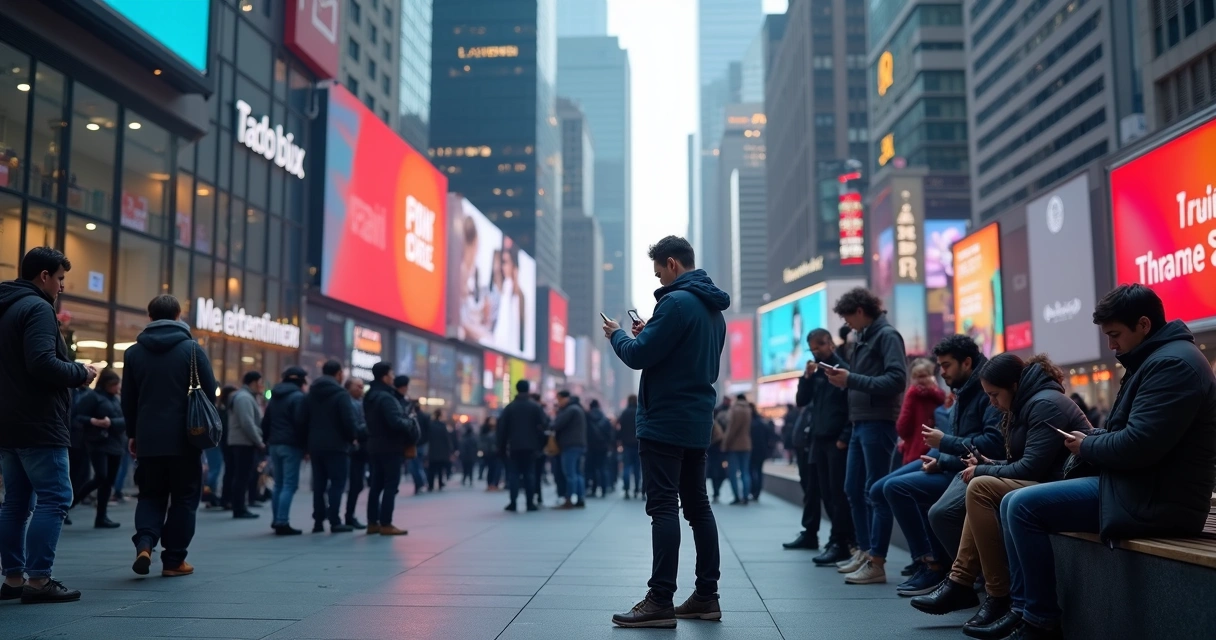
It’s clear technology can feed distraction, but it can also offer access to learning, mindfulness, and collaboration when used intentionally. The balance we choose will often show up in our quality of attention and even our sense of self.
5. Invisible fields: electromagnetic and energetic environment
This factor can sound abstract but has real biological roots. Research into electromagnetic fields reveals their influence on human systems may reach well beyond “gadgets”—potentially impacting sleep, focus, and even subtle aspects of consciousness. Research into environmental electromagnetic fields highlights ways ambient waves can affect biological rhythms as well as cognitive functioning.
While there is still much to learn, it is worth considering how urban environments, overloaded with signals and devices, impose a layer of influence that is silent but persistent. Making space for periods of digital “quiet” or time outdoors may contribute to clearer awareness.
Practical ways to shape a supportive environment
Recognizing these five elements gives us the ability to choose, even in small ways, what we allow to influence us. We have found that only a few adjustments in our everyday context can bring surprising changes in clarity, mood, and self-direction.
- Rearrange personal spaces for light, order, and presence of nature
- Actively cultivate positive, growth-oriented connections
- Limit exposure to negative media and broaden sources of insight
- Manage digital habits to balance productivity with rest and unplugging
- Seek regular contact with “quiet” spaces—nature, mindfulness practices, or digital downtime
Small steps in our environment often lead to big shifts in our consciousness.
Conclusion
We are not isolated beings. Every day, our consciousness is guided and colored by the environments we move through and the company we keep. By paying attention to the five key factors presented—physical surroundings, social relationships, cultural inputs, technology, and invisible fields—we can bring greater intention to our growth and our presence in the world.
Sometimes, change begins not within, but in the careful choice of what surrounds us.
Frequently asked questions
What is environmental consciousness?
Environmental consciousness is the awareness of how our external setting influences both our inner experiences and our behavior. It includes noticing the ways physical, social, cultural, and energetic factors shape the quality of our thoughts, emotions, and actions.
How does location affect consciousness?
Location affects consciousness by exposing us to specific stimuli—like light, sounds, space, or community—that can heighten awareness or trigger distraction. Different places can evoke different moods, mental clarity, and even inspire reflection or creativity.
What are the five key factors?
The five key factors are: physical surroundings, social environment, cultural influences, technological atmosphere, and invisible energetic fields (like electromagnetic waves). Each plays a role in shaping our consciousness in subtle and direct ways.
Can environment change your mindset?
Yes, environment can change your mindset by providing cues, support, challenges, or limitations that shift the way you see yourself and the world. By making conscious changes to our environment, we can often unlock new attitudes or habits more easily.
How to improve consciousness with environment?
To improve consciousness with environment, start by organizing physical spaces for clarity, seeking uplifting social circles, limiting negative media, managing technology use, and spending time in natural or quiet settings. Small changes in these areas usually result in greater awareness and inner balance.