
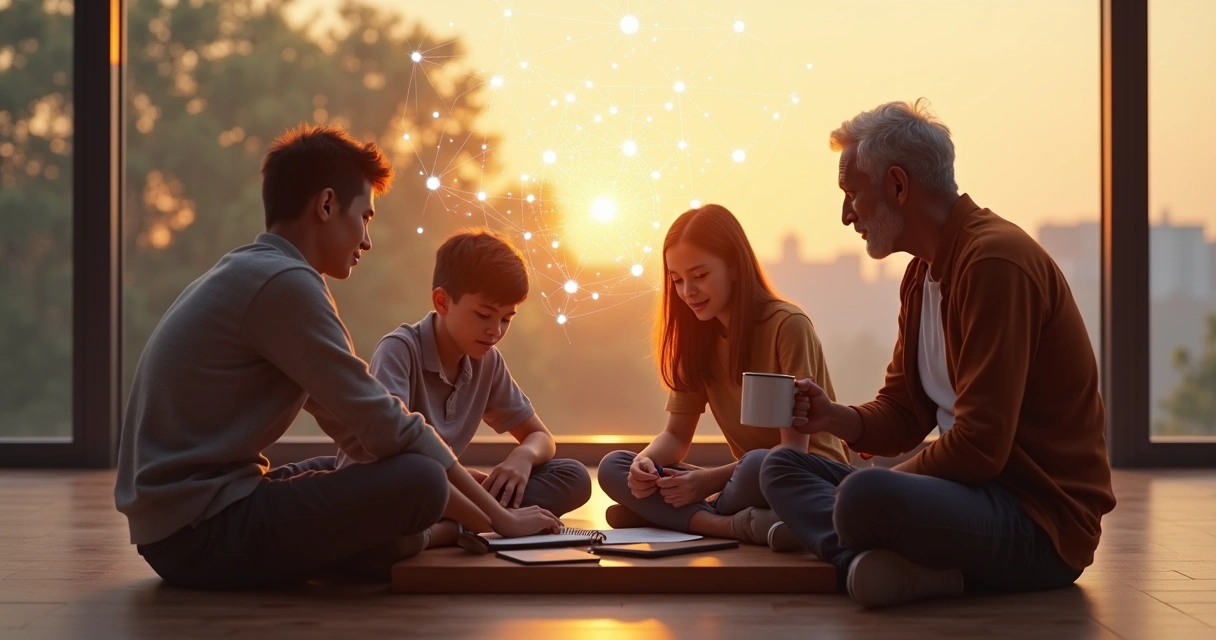
In a world shaped by rapid change, our awareness—personal and shared—guides how we act, support, and connect across generations. Each era brings its lessons, yet a deeper layer exists beneath individual experiences: collective consciousness. It is found in our shared beliefs, traditions, and choices, weaving together young and old, past and future. When we recognize and nurture this awareness, we become more than the sum of our parts.
Understanding collective consciousness
Collective consciousness is the invisible thread connecting individual minds within a society or community. It encompasses the ideas, values, and beliefs that shape how people see themselves and others. This shared awareness gives rise to culture, guides behavior, and influences how generations relate to each other.
We have seen how certain patterns, like cooperation and empathy, naturally arise in groups, sometimes even without direct instruction. These patterns are built and reinforced through language, rituals, family stories, and social institutions.
We believe that, over time, collective consciousness evolves, held and reshaped by each generation in response to new realities and challenges.
How generations shape—and are shaped by—shared awareness
Across families, communities, and countries, every generation both inherits and transforms collective consciousness. The wisdom and traumas of older generations impact the values, fears, and dreams of younger ones.
What we inherit is not just genetic, but deeply cultural and emotional.
Consider how stories of hardship, resilience, or prejudice from one era can influence decision-making or empathy in the next. These stories often become guiding principles for identity or action, consciously or unconsciously.
At the same time, new generations question, adapt, or resist inherited beliefs. This interplay is not always smooth—sometimes it leads to misunderstanding, but it can also bring renewal.
As researchers, we have noticed that the process unfolds in stages:
- Absorption: Children and young adults absorb attitudes, biases, and values from family and society.
- Questioning: Adulthood often brings questioning and re-examination of what was learned.
- Reforming: Open dialogue and reflection can reshape old patterns, allowing communities to grow in understanding.
This cycle can foster cross-generational empathy and shared responsibility, making collective progress possible.
Growing global awareness and its impact
Today, technology and migration bridge distances. Our consciousness stretches further. What happens in one society can ripple across continents in real time.
A cross-cultural study of over 11,000 participants across six societies showed that people with higher levels of global consciousness were more generous and cooperative, with these tendencies not limited by nationality. This suggests a move beyond narrow, local focus—an expansion of shared awareness.
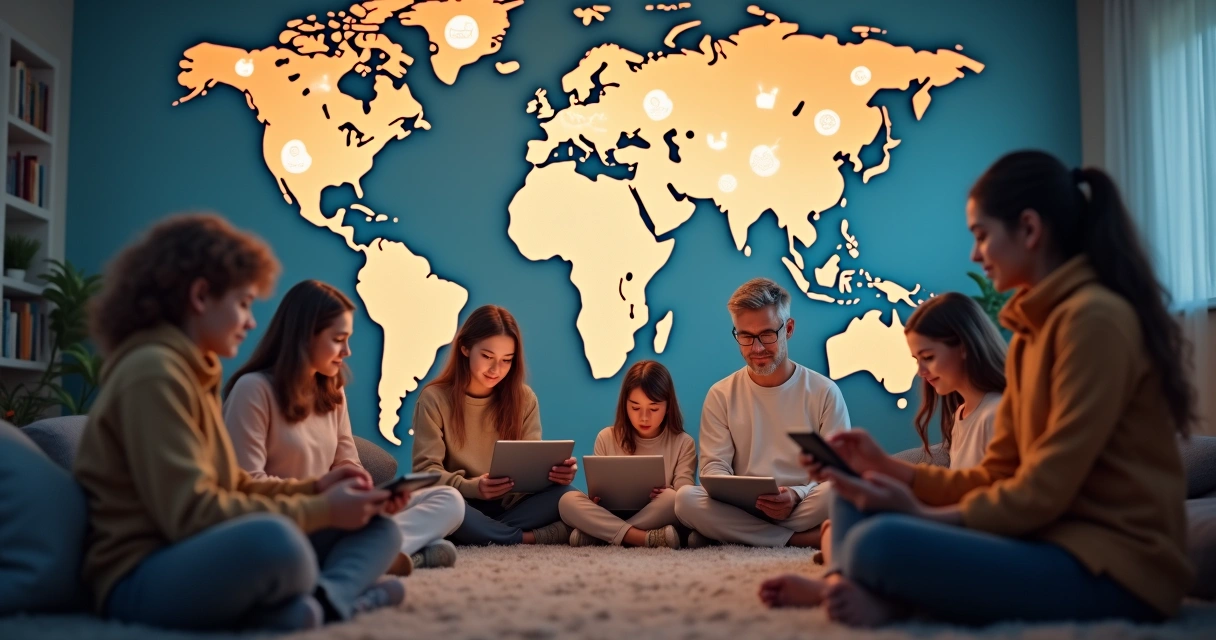
We have noticed that, when people develop cross-cultural and cross-generational understanding, empathy rises and conflict reduces. The future depends on our willingness to see ourselves as part of a larger whole, not just isolated individuals or age groups.
The challenges of cross-generational awareness
Building awareness across generations is not without its obstacles. We often see gaps in language, lifestyle, and values. Technology, political changes, and cultural shifts sometimes create misunderstanding.
For example, older adults might value stability or tradition, while younger people may seek change and adaptability. These differences can cause tension, but they also present opportunities for growth if approached with curiosity and respect.
True dialogue means listening deeply—even when it feels uncomfortable.
In our experience, the biggest stumbling blocks are:
- Assuming our way is the only way: When one generation insists its approach is best, dialogue shuts down.
- Fear of losing identity: Change can feel threatening, especially if it seems to disregard cherished values.
- Poor communication channels: Without shared spaces for honest conversation, stereotypes harden and distance grows.
Addressing these issues requires humility, patience, and active listening.
Practices for bridging generations
We have witnessed how intentional practices create bridges between generations, strengthening shared consciousness. Some of the most effective include:
- Storytelling: Inviting elders and youth to exchange stories fosters understanding and connection.
- Mentoring in both directions: Older generations provide historical perspective, and younger ones teach about new realities and technologies.
- Group reflection: Structured conversations about values, life events, or big decisions make it safer to question and grow together.
- Community projects: Collaborating on shared causes or challenges can unite different age groups with a common purpose.
- Seeking diverse voices: Encouraging participation from all backgrounds widens collective perspective and reduces echo chambers.
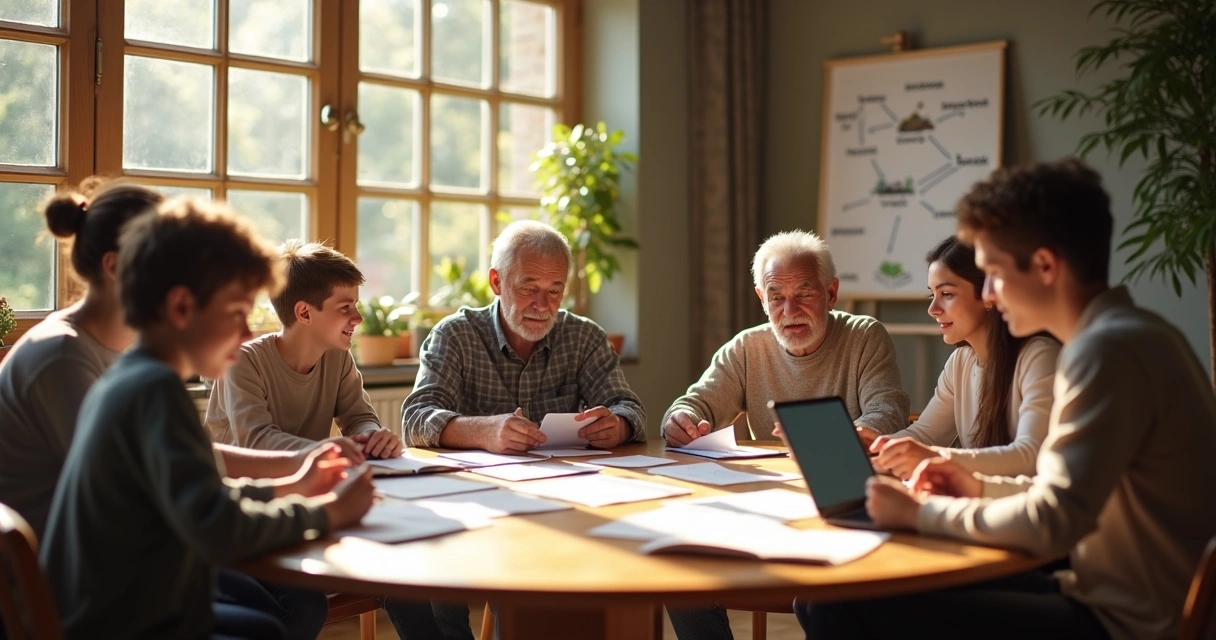
By putting these into practice, we can nurture a more honest, open, and inclusive awareness—across generations and backgrounds.
What collective consciousness means for the future
When awareness is shared and nurtured across generations, our communities become more resilient. We are better prepared to solve problems, adapt to change, and care for one another. The skills we need—such as empathy, accountability, and curiosity—are rooted as much in connection as in knowledge.
Awareness grows deepest at the edges where generations meet.
We see the promise of collective consciousness in movements for justice, climate responsibility, and technological inclusion. The more we work together, respecting both the wisdom of the past and the vision of the young, the more likely it is that humanity will evolve consciously and ethically.
Conclusion
Building collective consciousness across generations is not a passive process. It requires us to reflect, share, and re-examine what we know, so we move from habits to understanding. As life accelerates, holding open the space for connection, even across difference, remains one of our most powerful acts. Through dialogue and shared purpose, each generation contributes to a deeper legacy—one that extends beyond lifespans and shapes the world for those yet to come.
Frequently asked questions
What is collective consciousness?
Collective consciousness refers to the shared beliefs, values, and attitudes that connect people within a group or society. It shapes cultural identity, guides behavior, and provides a sense of belonging by weaving together the wisdom, stories, and traditions of many individuals into a common understanding.
How does it affect different generations?
Collective consciousness both shapes and is shaped by different generations. Each generation absorbs, questions, and occasionally transforms shared values, stories, and habits. This process can build empathy, but also sometimes cause tension, as older and younger people may see the world through different lenses.
Why is cross-generational awareness important?
Cross-generational awareness supports empathy, teamwork, and social resilience. When generations understand and respect each other, communities are better able to adapt to change, solve problems, and ensure that valuable lessons are not lost.
How can I build collective consciousness?
You can build collective consciousness by encouraging open dialogue, listening to stories from people of all ages, seeking out diverse opinions, and participating in shared projects that unite different age groups. Reflecting on your own values and being open to growth also play a key role.
What are the benefits of shared awareness?
Shared awareness leads to stronger relationships, better decision-making, and a deeper sense of belonging. Communities with high levels of collective consciousness are more supportive, generous, and able to face challenges together with flexibility and understanding—as shown in cross-cultural studies linking global consciousness to prosocial behavior.